

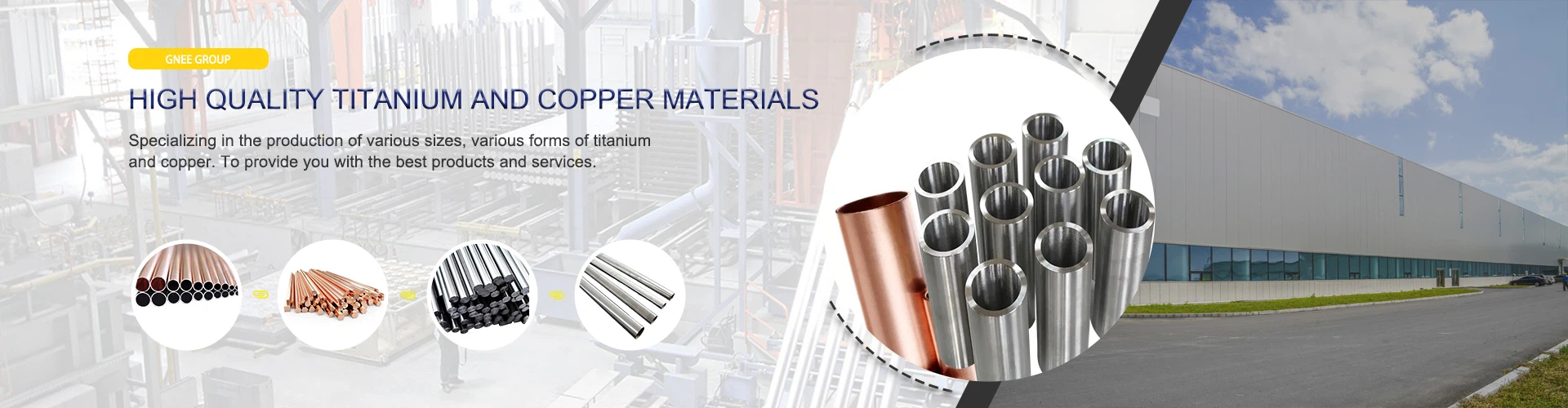
What is a C11000 copper pipe?
Copper C11000 is a commercially pure copper alloy that is primarily used for its excellent electrical conductivity and thermal conductivity. Copper C11000 pipes are a type of tubing made from this alloy, and they are commonly used in various industrial and commercial applications.
Copper C11000 pipes are often used in plumbing systems because they are resistant to corrosion and can withstand high temperatures and pressure. They are also frequently used in HVAC systems, refrigeration, and air conditioning systems because of their excellent heat transfer properties. Additionally, Copper C11000 pipes are used in the manufacturing of heat exchangers and electrical equipment, as well as in the production of various types of electronic components.
Copper C11000 pipes come in a variety of sizes and shapes, including round, rectangular, and square, and they can be easily welded, brazed, or soldered to other copper or brass components. They are also relatively easy to bend and shape, making them a popular choice for custom applications.
Overall, Copper C11000 pipes are a versatile and reliable choice for a wide range of applications that require high conductivity and durability. For any requirement of copper c11000 pipes and we will get back to you with the best prices.
Types of Copper C11000 Pipes
Copper C11000 pipes are available in a variety of types to suit different applications and installation requirements. Here are some of the most common types:
These are the most basic type of copper C11000 pipes, available in standard lengths of 10, 20, or 40 feet. They come in a range of diameters and thicknesses to accommodate different flow rates and pressure requirements.
Copper C11000 coils are flexible pipes that are available in longer lengths than straight pipes. They are ideal for use in applications where a lot of bending and shaping is required, such as in HVAC or refrigeration systems.
Seamless copper C11000 pipes are made from a single piece of copper without any welded joints. They are known for their superior strength and durability, making them ideal for high-pressure applications.
Welded copper C11000 pipes are made by welding two or more pieces of copper together. They are less expensive than seamless pipes but may not be as strong or durable.
Drawn copper C11000 pipes are made by pulling a copper rod through a die to create the desired shape and size. They are known for their precise dimensions and smooth, polished finish.
Finned copper C11000 pipes are used in applications where heat transfer is important, such as in boilers or air conditioning systems. They have fins attached to the outside of the pipe to increase the surface area and improve heat transfer.
Overall, the type of copper C11000 pipe you choose will depend on your specific application and installation requirements.
We maintain a huge stock of Copper C11000 Pipes to meet our customers' demand all over the world. We deliver all our copper pipes on time and safely. For the best prices of UNS C11000 Pipes today and our sales representative will get back to you.


Specifications of Copper C11000 Pipes:
Copper C11000 Round Pipe: WT: 0.2mm – 120mm, OD: 2mm – 910mm
Copper C11000 Square Pipe: WT: 0.2mm – 120mm, Size: 2mmx2mm, 1016mmx1016mm
Copper C11000 Rectangular Pipe: WT: 0.2mm – 910mm, Size: 2mmx4mm, 1016mmx11219mm
Copper C11000 Welded Pipe Size: 5.0mm – 1219.2mm
Copper C11000 Seamless Pipe Size: 4 to 219mm W. T.: 0.5 to 20mm
Copper C11000 EFW Pipe Size: 5.0mm – 1219.2mm
Copper C11000 Pipe Length: Single Random, Double Random & Cut Length.
Copper C11000 Pipe Form: Round, Square, Rectangle, Hollow, Straight, Hydraulic, etc.
Copper C11000 Pipe Hardness: 1/16 hard, 1/8 hard, 3/8 hard, 1/4 hard, 1/2hard, full hard, soft etc
Copper C11000 Pipe End:
Commercially available coppers have a total impurity content of 0.7%. They are incredibly ductile and soft. To make pure coppers more rigid, additional elements are frequently added. The diluted coppers will be assigned a UNS number ranging from C10100 to C13000 depending on the types and amounts of alloys and additives applied.
The purest coppers are those that are oxygen free. They have the least number of volatile impurities and at the very least, contain 99.99% copper. Due to its frequent use in glass-to-metal sealing and transmitter tubes in high vacuum electronics, this form of copper is very conductive. It has the UNS identifier C10100 to C10200.
Copper that has undergone electrolysis-based refinement to produce tough pitch is called electrolytic copper. The metal can be processed using both hot and cold techniques. The UNS code for it is C11000.
Free-Machining Copper Pipes
Sulphur and telluride are added to free-machining copper to improve its machinability. All these elements will be added in about 0.5%. Copper that can be free-machined and contains sulphur is given the UNS C14700 designation, whereas copper that contains telluride is given the C14500 rating.
Copper pipes are frequently used in the construction sector for piping systems and refrigerant lines in HVAC (heating, cooling, and air-conditioning) systems. Soft or rigid copper pipes can be produced, and both types provide strong connections and high corrosion resistance.
Type K, Type L, and Type M copper pipes are the most often utilised varieties in residential and commercial construction. Some older properties may have DWV, or drain-waste-vent, pipes of a fourth kind.

We are a leading manufacturer and exporter specializing in a comprehensive range of high-quality copper products, including copper tubes, copper plates/sheets, copper bars, copper rods, copper wires, and copper strips. Our advanced manufacturing facilities are equipped with state-of-the-art continuous casting lines, extrusion presses, cold rolling mills, and drawing machines to ensure precision and consistency. Rigorous quality control is integral to our process, conducted through spectrometers for material verification, tensile testers, eddy current testers, and hydrostatic pressure testers, guaranteeing that all our products meet international standards for performance and durability.
E-mail: sales@gneesteel.com


